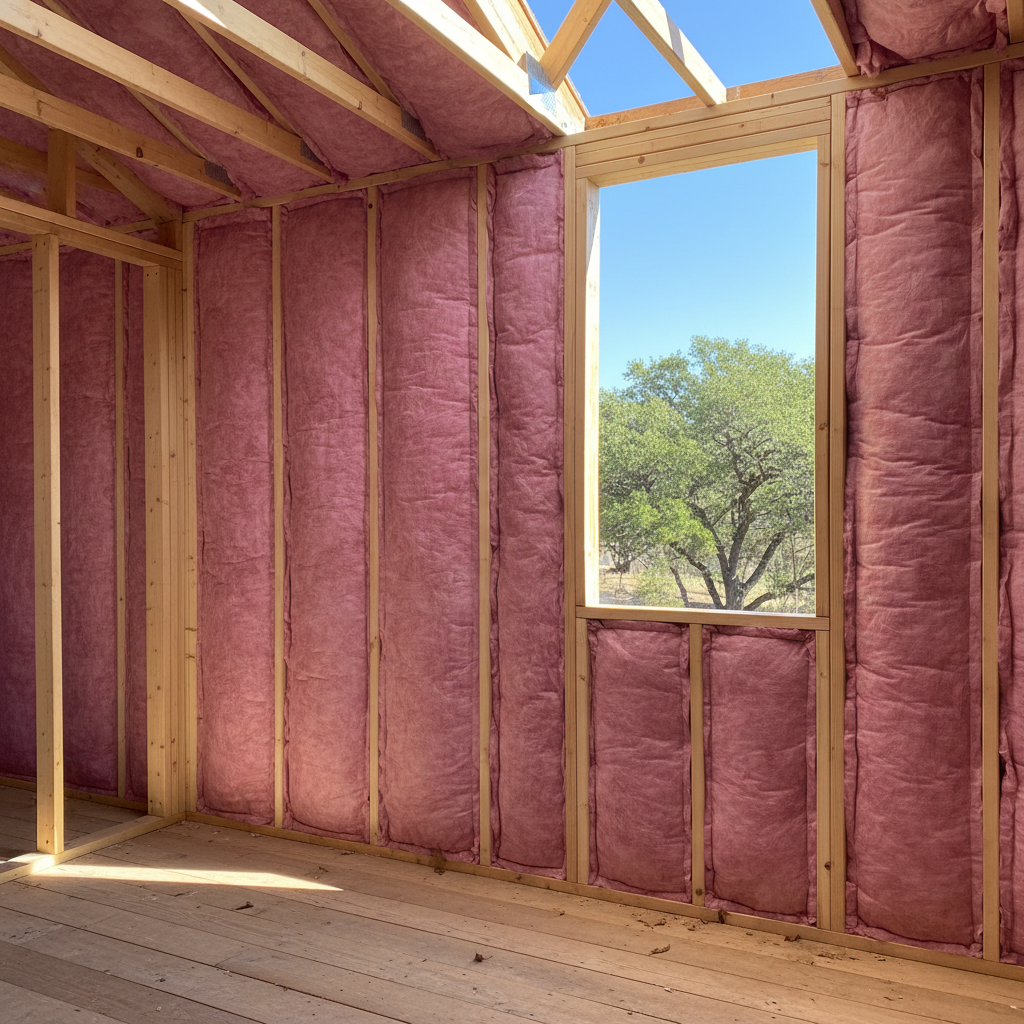
So, you’ve put batt insulation in your Cedar Park home. That’s a really smart move for both energy efficiency and comfort. But here’s the thing: insulation isn’t something you just install and forget about, especially not around here. You wouldn’t buy a new car and then never change its oil, right? It’s the same idea with your insulation. A little bit of care goes a long way toward making sure it actually does its job for decades.
Making Your Batt Insulation Last Longer
Good news first: batt insulation is pretty tough stuff. But a few simple actions can really stretch out its working life. First off, keep it dry. Moisture is insulation’s worst enemy, no question. If it gets wet, it loses its R-value, which means it stops insulating well. That’s why proper attic ventilation is so incredibly important in our climate. You want that hot, humid air moving right out of your attic, not condensing on your insulation.
Another big one is keeping pests out. Rodents, birds, even insects — they all love to nest in insulation. They compact it, tear it up, and leave droppings behind, all of which really degrade how well it performs. So, make sure any attic vents have screens, and seal up any gaps or holes in your eaves or around pipes where critters can sneak in. I’ve personally seen attics in neighborhoods like Ranch at Brushy Creek get completely trashed by squirrels when homeowners weren't paying attention.
Finally, try not to disturb it unless you absolutely have to. If you’re up in the attic, watch where you step. Don't compress it or move it around unless it's really necessary, and if you do, try to fluff it back up. Insulation that’s packed down just doesn't insulate as well.
What 'Regular Maintenance' Actually Means
Honestly, 'regular maintenance' for batt insulation isn't some huge chore. It’s mostly about doing periodic checks. I usually tell people to do a quick visual inspection of their attic once a year, maybe in the fall when it’s not scorching hot up there. You're looking for a few key things:
- Even Coverage: Are there any bare spots, or areas where the insulation looks thin?
- Compaction: Does it look flattened or matted down anywhere?
- Moisture Stains: Any dark spots on the insulation itself or on the ceiling joists above it could mean you have a leak.
- Pest Activity: Look for droppings, nests, or areas that look chewed up.
- Ventilation Obstructions: Make sure your soffit and ridge vents aren't blocked by insulation or other debris.
If you find anything concerning, please don't just ignore it. Taking care of small issues quickly can stop them from turning into big, expensive problems later on.
Warning Signs of Trouble
Your house will often tell you if something’s wrong with your insulation, even if you haven't been up in the attic. Pay attention to these signs:
- Higher Energy Bills: If your utility bills suddenly jump without you using more energy, compromised insulation is often the reason.
- Uneven Temperatures: Are some rooms noticeably hotter or colder than others? That can point to insulation problems in specific spots.
- Drafts: Feeling drafts, especially near ceilings or interior walls, can sometimes mean air leaks that your insulation isn't stopping.
- Pest Noises: Hearing scratching, scurrying, or chirping sounds in your attic or walls is a definite red flag.
- Visible Mold or Mildew: If you spot mold on your ceiling or in your attic, it’s almost certainly a moisture problem, and your insulation is probably affected.
- Sagging Ceilings: In really extreme cases of water damage or pest infestation, you might even see your ceiling start to sag. That's an emergency, folks.
Don't just brush these things off. They're your home's way of asking for help.
When It's Time to Call a Professional
While those annual checks are good, some issues are just too big for a DIY fix. You should definitely call in a professional if you notice:
- Significant Water Damage: If you’ve had a major roof leak that’s soaked a large section of insulation, it needs to be removed and replaced. You can't just dry it out and expect it to work right again.
- Extensive Pest Infestation: If you’ve got a serious rodent problem, you’ll need professional pest control first. After that, the damaged insulation will need to be safely removed, and new insulation installed. This isn't a job for the faint of heart, or for anyone without proper protective gear.
- Persistent High Energy Bills: If you’ve checked everything else and your bills are still through the roof, it might be time for an energy audit. We can assess your entire attic system — that includes insulation, air sealing, and ventilation — to pinpoint the real problem.
- Mold Growth: If you see mold on your insulation, don't mess with it. Mold remediation is a specialized field, and you really don't want to spread spores or expose yourself to them.
- Major Renovation: If you’re doing a big renovation that involves opening up walls or ceilings, it’s an excellent time to have us inspect and upgrade your insulation.
Here at Alpha Insulation Co, we’ve pretty much seen it all. We can help you identify problems, fix them correctly, and make sure your batt insulation keeps your Cedar Park home comfortable and efficient for years to come. Don't hesitate to reach out if you’re unsure about anything. It’s always better to be safe than sorry when it comes to your home’s health.